EVENTS
Event Highlights
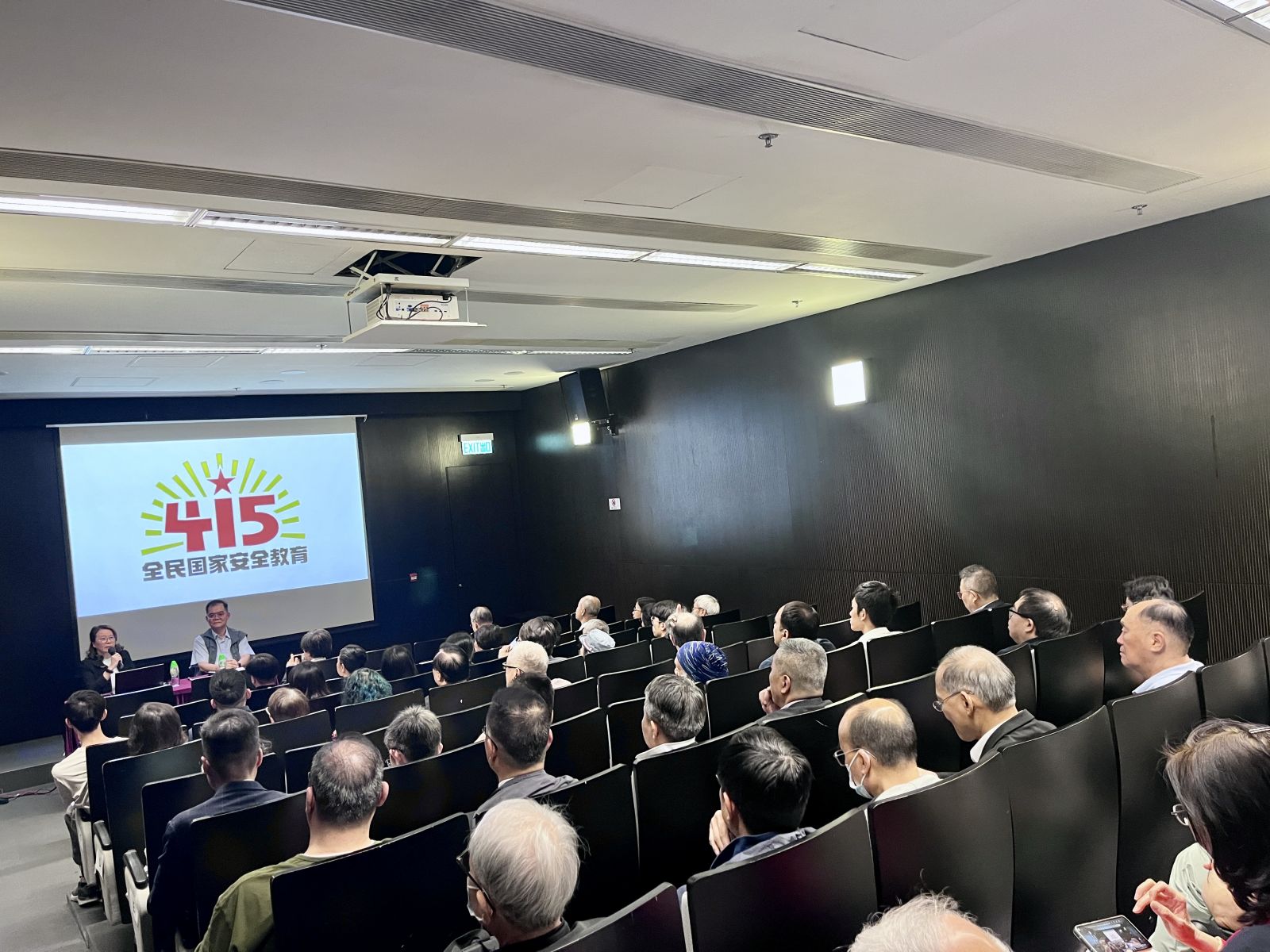
Seminar on "The Past and Present of Hong Kong National Security"
2025-04-15
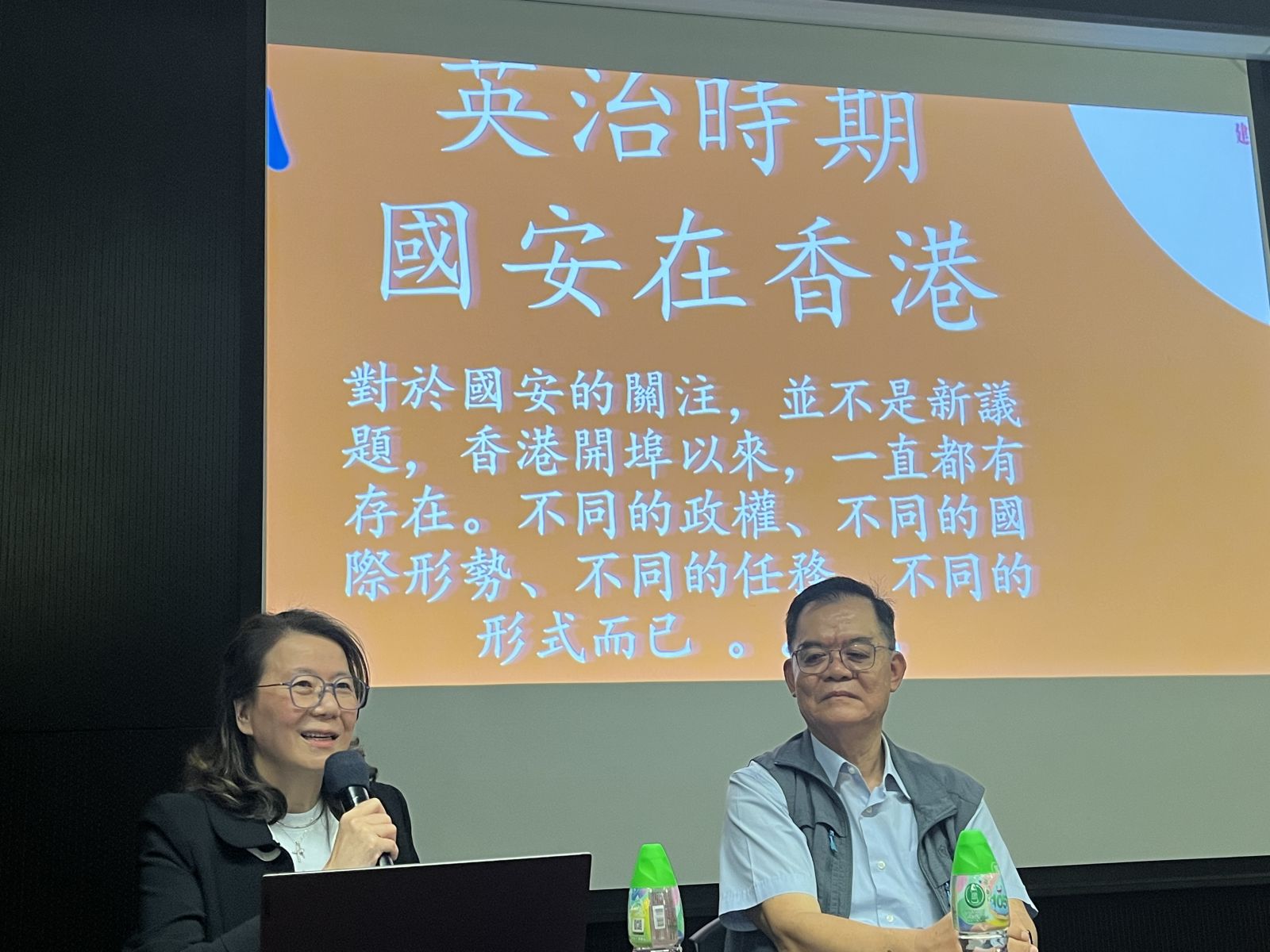
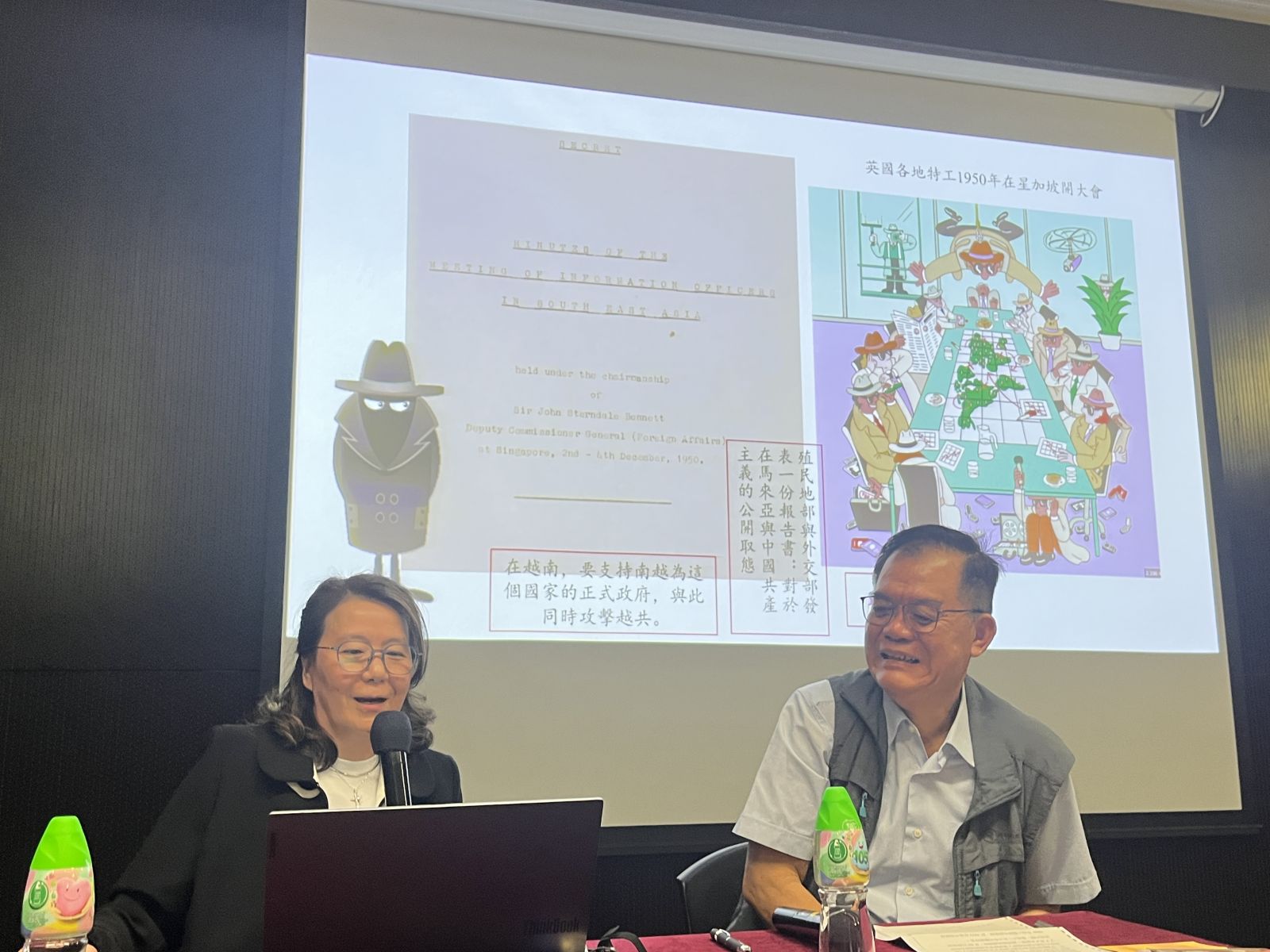
To commemorate the 10th anniversary of the National Security Education Day and the 5th anniversary of the implementation of the National Security Law, Maritime Silk Road Society (MSRS) invited Mr Ho Ming Sun, retired Senior Superintendent of Police & Advisor of Hong Kong Police Museum, and Dr Joyce So, history researcher and Management Board Member of Jao Tsung-I Academy, as speakers of the seminar entitled “Past and Present of Hong Kong National Security”. Together, they made reference to encrypted British archives to talk about the 100-year history of Hong Kong’s national security from the perspectives of economy, politics and social security.
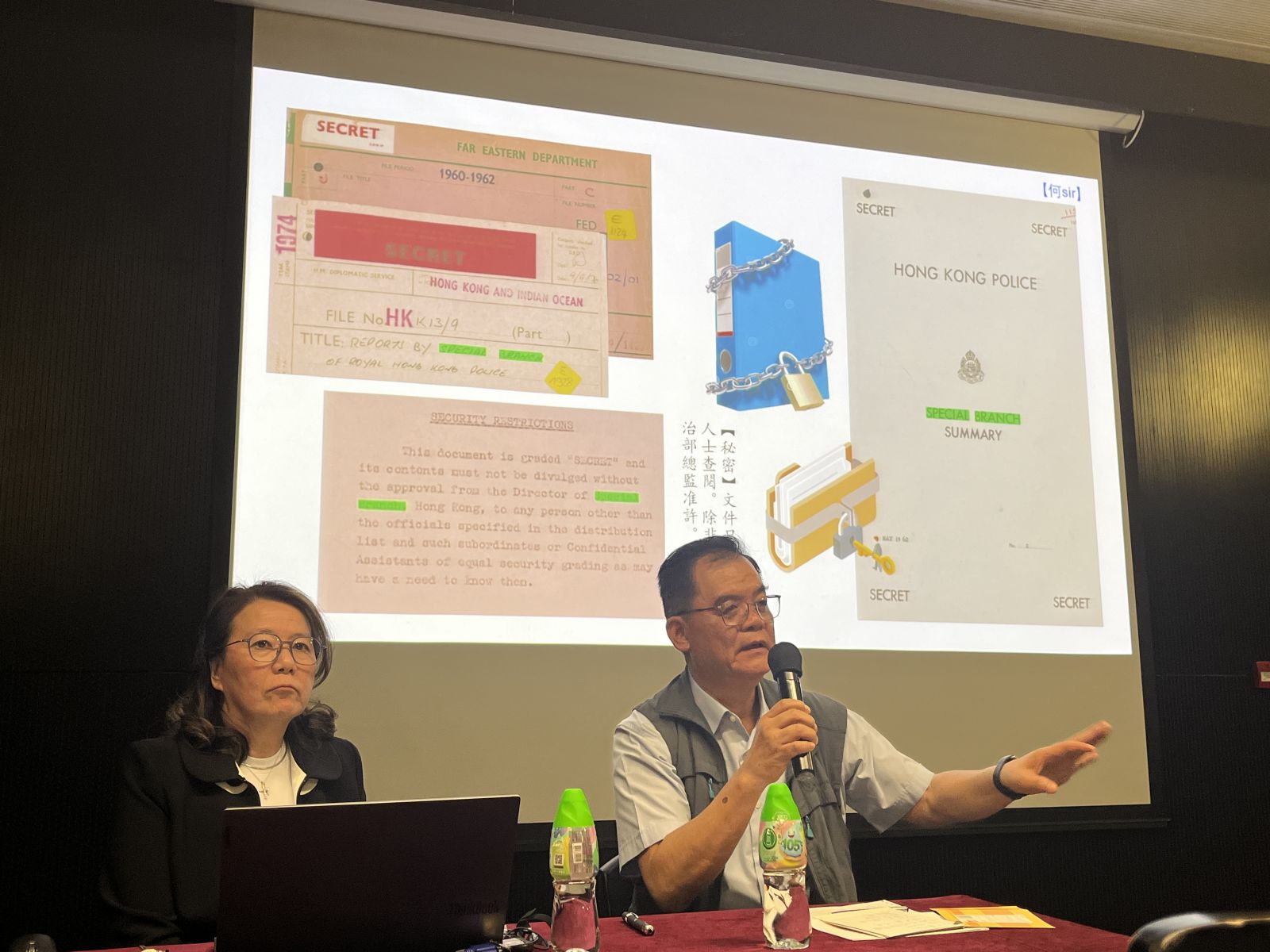
Dr So said that according to historical materials, the UK government has classified archives into seven levels based on their sensitivity and potential impact: Non-affected, Unclassified, Protected, Restricted, Confidential, Secret, and Top Secret. In the past, it usually took 30 years for these archives to be made available to the public. However, because some of the archives involve highly sensitive contents (such as national security, diplomatic secrets or intelligence operations), about 5% of the archives would probably remain permanently confidential.
During the British rule in Hong Kong, the colonial government adopted a series of surveillance measures to maintain stability and weaken forces that might threaten its rule. The targets of surveillance included political figures such as Kang Youwei, Liang Qichao, SunYatsen and Chen Jiongming; British and foreign intermediaries and intelligence officers in Hong Kong, global political parties and organisations; the activities of the Kuomintang and the Communist Party in Hong Kong; and the activities of local sensitive political organisations in Hong Kong. At that time, the Special Branch was set up under the Police Force, being responsible for counter-espionage, infiltration, surveillance of different political groups, etc. to prevent subversive activities.
Dr So then shared the case of the Hong Kong Government's surveillance and control of Dr Sun Yatsen, and cited the ‘Double Ten Riots’ in 1956 as an example, thereby reflecting the various tactics employed by the authorities in exercising political control.
Mr Ho pointed out that the Mount Davis Detention Camp (or the White House) at Victoria Road was revitalized to become the campus of The University of Chicago and was used by the Special Branch as a place of detention for political prisoners after the anti-British riots in 1967. Some of the prominent prisoners were the leftist artists Mr Fu Qi and Ms Shi Hui. Mr Ho said that during the period of detention, agents would conduct harsh interrogations of prisoners, resort to cruel means to force them to make confessions and inflict physical and mental trauma on the detainees.
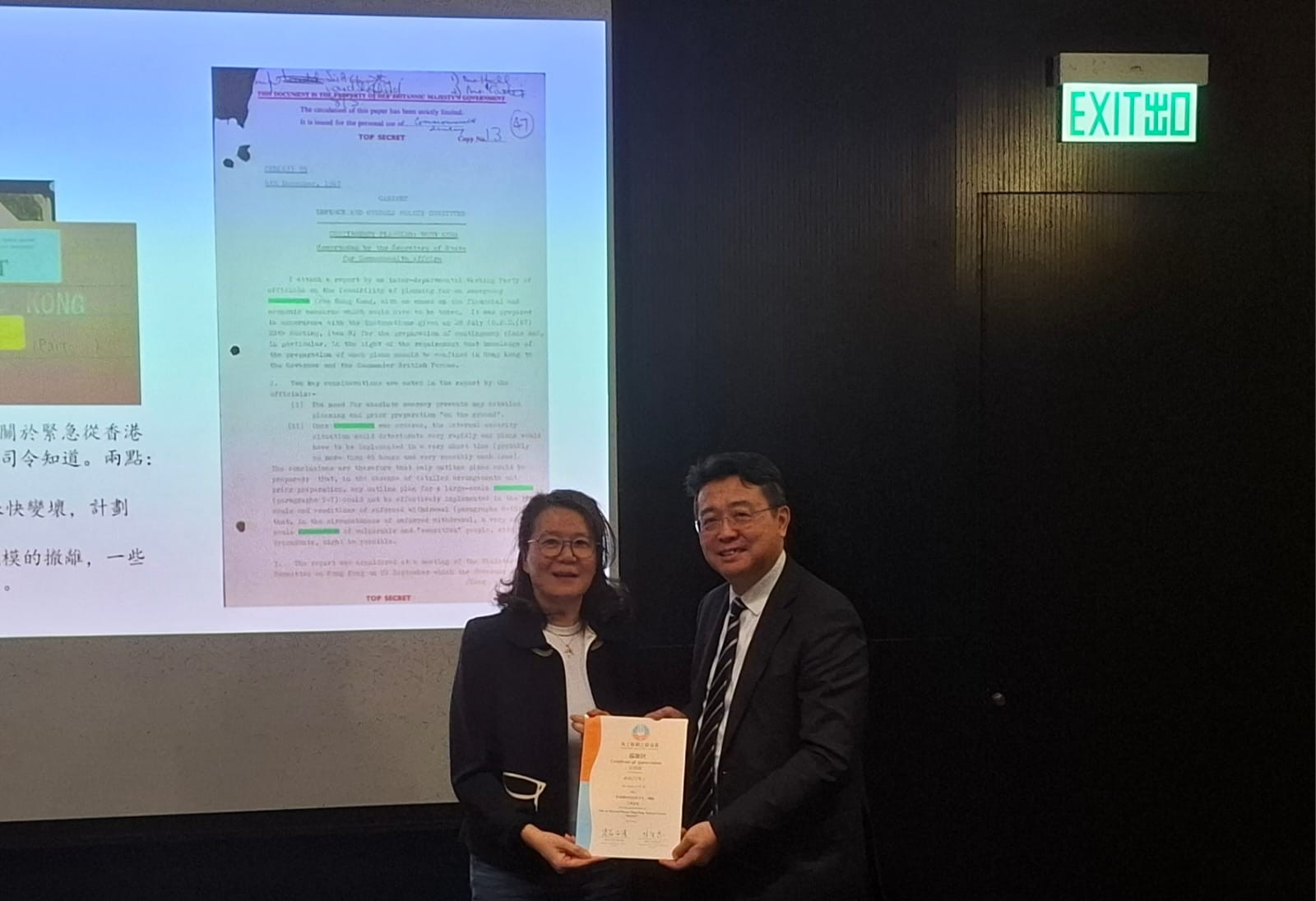
At the end of the function, Professor Lau Chi Pang, Associate Vice-President of Lingnan University and LegCo Member and Mr Joseph Chan, Member of the Hubei Provincial Political Consultative Conference in Hong Kong and Honorary Advisor of Maritime Silk Road Society presented certificates of appreciation to the speakers.
.jpg)
.jpg)
.jpg)